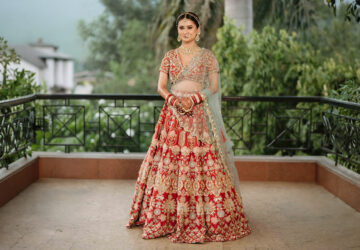




We all are familiar with the never-ending allure of Banarasi sarees from the city of Varanasi in Uttar Pradesh. The
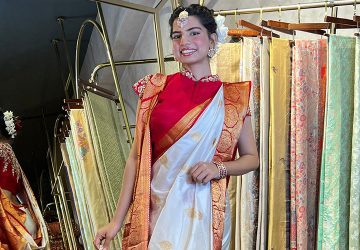
The Bengali saree is an exquisite and time-honored garment that holds a special place in the hearts of every Bengali
We all are familiar with the never-ending allure of Banarasi sarees from the city of Varanasi in Uttar Pradesh. The
The Bengali saree is an exquisite and time-honored garment that holds a special place in the hearts of every Bengali
Fashion trends may come and go but the saree stays forever. The six yards of elegance portray the cultural diversity of India, each state of India represents a different saree draping style. The saree is the ultimate vehicle to carry a woman’s beauty and elegance and different varieties and draping styles have even inspired the Western fashion world.
The mainstay of a woman’s wardrobe, the saree can be worn in so many different ways. The different saree draping styles from various parts of India include the Atpoure drape from West Bengal, the Nauvari drape from Maharashtra, the seedha pallu from Gujarat, Odisha, and Uttar Pradesh, Mekhela chadar from Assam and countless more.
Although, most women will choose to wear a certain kind of drape in their everyday life, what is interesting to note is that these drapes can allow free movement and are as easy as slipping on a dress. Women (although small sections) from different regions of India have been doing that for years with great aplomb. Here are a few of the more region-specific different types of saree draping that are as distinctive as they are beautiful.
Fabric selection: The choice of fabric is the foundation for a unique saree draping styles in India. Opt for lightweight options like cotton, chiffon or georgette sarees for effortless draping and movement. Silk sarees offer elegance with their rich texture and drape. They are perfect for festivals and celebrations.
Colour Consideration: Colours hold the power to define the mood and essence of the unique saree draping styles to look slim. Bright and bold shades such as reds, yellows, greens, or purples exude vibrancy and are ideal for weddings and celebratory events. Soft pastels like blush pink, lemon, aqua blue, and lavender bring an air of elegance and are perfect for formal affairs. For everyday wear, choose light printed sarees in softer colors.
Design Choices: Intricate designs play a pivotal role in creating unique saree draping styles. Traditional motifs like florals and paisley carry a timeless charm that resonates with cultural heritage. Abstract prints and fusion motifs offer a contemporary twist.
Wearing a saree can be daunting if you don’t know the right steps on how to drape a saree. Let us understand how to wear a saree step by step easily.
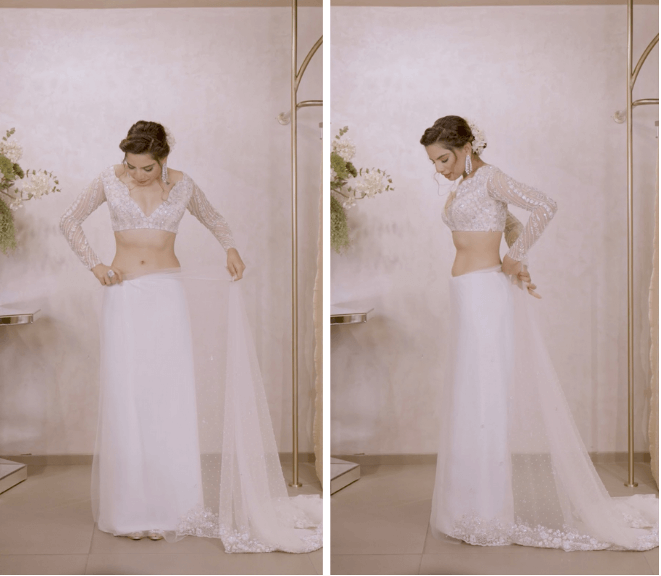
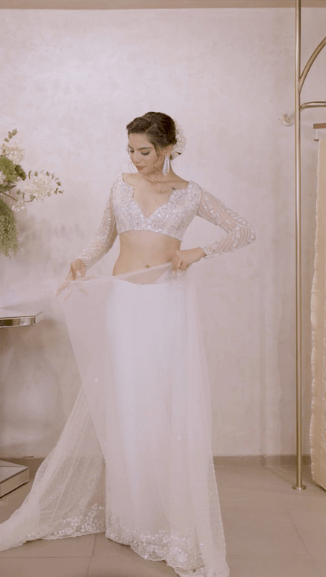
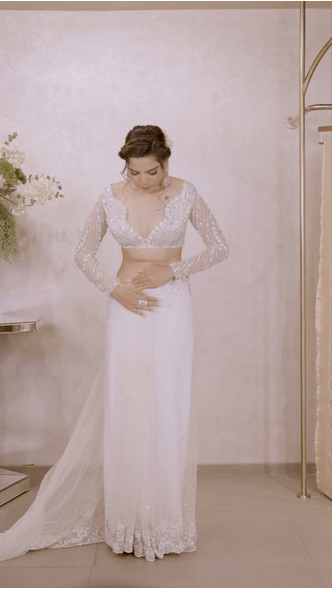
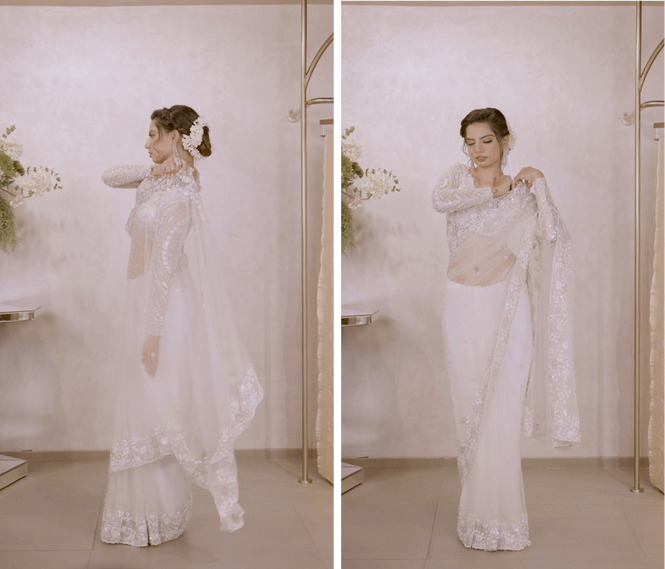
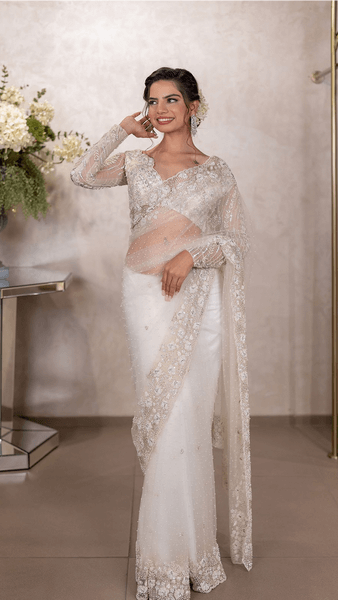
The unique saree draping styles have been tried for ages by women from different parts of India. Does that mean modern women cannot try these styles? Well, not at all! Some contemporary draping styles such as the saree gown, dhoti saree, or lehenga saree have their inspiration from the different saree draping styles.
The saree gown preferred by celebrities is a ready-to-wear drape that fuses the traditional saree with a modern Western silhouette. This ready to wear drape eliminates the hassle of making pleats and offers the convenience to wear it like a gown. This stylish drape is available in chiffons, georgettes, and satins for a chic look.
The dhoti saree is just what it sounds like fusing the attributes of a saree and a dhoti. This pre-draped saree replaces regular pleats with dhoti-like pleats. It gives a distinctive edge in the saree narrative and is a hit among fashionistas who want to experiment with contemporary saree drapes. Available in a wide range of fabrics, including cotton, rayon, and silk, the saree is a contemporary version of a timeless attire.
The lehenga saree style is an amalgamation of a lehenga and saree drape. In this style of draping, the ensemble is flared at the bottom just like a lehenga while the pallu is draped over the shoulder like a saree. A perennial party and wedding favorite, the lehenga saree is available in a variety of fabrics like silks, cotton, and organza catering to diverse preferences.
Saree draping styles are not only unique as they cater to individual styles, but it also gives a nod to traditional styles from specific regions. For example, Maharashtrian women will always prefer a Nauvari draping style for weddings and festivals such as Ganesh Chaturthi. Similarly, most of the traditional drapes are preferred by women for special occasions such as festivals, parties, or weddings to showcase elegance and cultural flair.
For weddings, opt for rich fabrics like silk or brocade in traditional colors like red, orange, gold or maroon and consider intricate embroidery or zari work to add opulence. Family get togethers call for vibrant hues and lighter fabrics like chiffon or georgette adorned with ethnic motifs, for parties, you can play with contemporary designs like saree gowns, dhoti gowns for a modern twist. For an added touch of cultural significance, opt for sarees that incorporate local art forms, motifs, or regional themes.
Each of the saree draping styles offers a distinctive edge to the personality of the wearer. A woman turning up in a traditional saree draping style for a party is sure to make a fashion statement of the highest order. It also can flatter different body types that no other ensemble can.
Women with pear-shaped figures consider easy saree draping styles like Bengali or seedha pallu drape to balance proportions and draw attention upwards. Women with hourglass shape bodies can emphasize their curves with lehenga style sarees or Gujarati drape, highlighting the waist. Additionally, women with apple shaped figures can opt for ulta pllau saree draping styles to look slim. Remember, confidence is the key, choose a drape that resonates with you and let your inner beauty shine.
To ensure even pleats while draping a saree, carefully fold and align the fabric while creating each pleat properly before you tuck them in the petticoat. Use safety pins to secure them in place.
Yes, the beauty of the six-yard saree is that it is so versatile, and you can choose to drape it as you prefer. You can always wear a crop top or an off-shoulder blouse with a saree and even add a belt to cinch your waist and lend a more Western appearance.
The Nauvari style of saree draping from Maharashtra or the Nivi style of saree draping from Andhra Pradesh are all the perfect saree draping styles to wear at weddings. You can try similar styles from the region you hail from, to make a unique style statement at weddings.
The right accessories can complement your saree look and make you stand out. Jadau, polki, pearl, diamonds, gold, silver, and oxidized jewelry are just a few of the honorable mentions that can make you look picture-perfect. Choose jhumkas, handballs, layered necklaces, or chokers, maang tikas, nose rings, bangles, haathphools, kamarbandh, and more to add feminine allure to your saree look.
To ensure your saree enjoys a long shelf-life always wrap it in soft mulmul clothes and store it in the wardrobe. Give it an airing from time to time. For expensive silks always dry clean your saree, and do not wash it at home with regular soap and water.